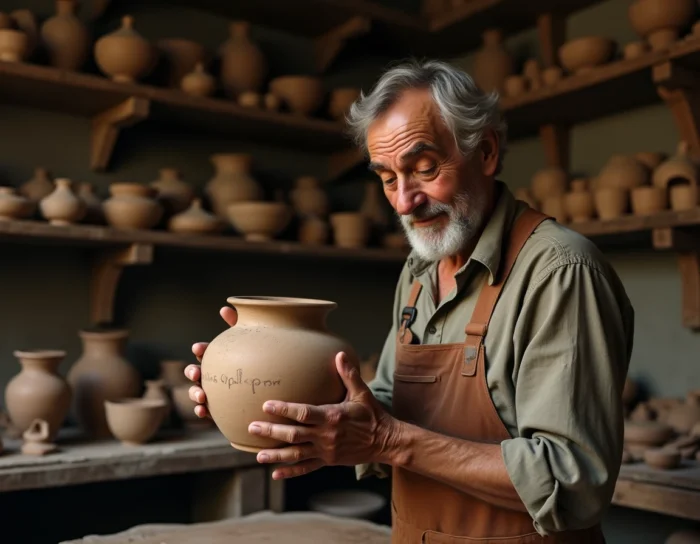
Which company can claim the title of the oldest brand in the world? The answer depends on the criteria used: date of foundation, continuity of activity, or official registration of a trademark. According to the World Intellectual Property Organization (WIPO), the oldest trademark registration still in force is a Japanese deposit from the 19th century. This gap between legal reality and media narrative deserves close examination.
Trademark, established house, continuous activity: three criteria, three results
The debate over the oldest brand is based on a frequent confusion between three distinct concepts. A trademark in the legal sense, a house established on a historical date, and a company in continuous operation do not refer to the same thing.
| Criterion | Claimant to the title | Key date | Particularity |
|---|---|---|---|
| Oldest trademark registration still in force | Japanese deposit (WIPO) | 19th century | Oldest official registration recorded by WIPO |
| Oldest jewelry house still in operation | Mellerio, Paris | 1613 | Located on rue de la Paix, still owned by the founding family |
| Claimed antiquity in watchmaking | Blancpain | 1735 | Often cited as the oldest watchmaker in the world |
This table highlights a fact rarely emphasized: the oldest registered trademark is not the oldest company. Trademark law as it exists today is a relatively recent invention, postdating the industrial revolution. Houses established before this time operated under the name of a master craftsman, not under a commercial brand in the modern sense.
To discover the oldest brand in the world from all angles, it is necessary to cross-reference these three perspectives instead of relying solely on marketing storytelling.
Mellerio and Parisian jewelry: a family continuity since 1613
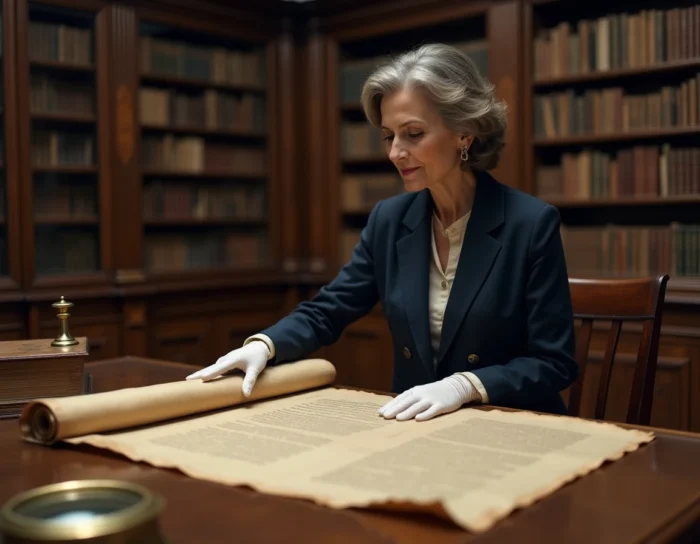
Mellerio is considered the oldest jewelry house in the world still in operation. Founded in 1613, the house is located on rue de la Paix in Paris. It has operated for over four centuries without interruption and without a change in family ownership.
Between 2020 and 2023, Mellerio gained new editorial visibility on the Parisian scene. Articles dedicated to the capital’s jewelry have highlighted this exceptional antiquity. In contrast, this information remains almost absent from content focused on watchmaking or major consumer brands, which prefer to highlight Coca-Cola, Heineken, or Rolex.
This editorial imbalance can be explained by the size of the market. Mass-market brands generate more queries than artisanal houses, which mechanically directs content towards the former. Mellerio, despite its four centuries of existence, remains a confidential house compared to luxury giants.
Watchmaking and antiquity: Blancpain, Breguet, Longines
Watchmaking concentrates an unusual number of brands claiming exceptional antiquity. Blancpain, with a founding date of 1735, is often cited among the oldest watchmakers.
- Breguet is a watchmaking house whose mechanical inventions remain technical references today, notably the tourbillon and complicated watches
- Longines is a Swiss house long present in the global market, recognized for its chronographs and its positioning in the accessible luxury segment
The difficulty with watchmaking lies in the distinction between artisanal workshop and commercial brand. In the 18th century, a watchmaker signed their pieces with their name. The transformation into a registered trademark, legally protected, occurred much later. The year considered as “foundation” is often that of the first workshop, not that of the trademark registration.
Why the media narrative favors consumer brands
Online content about “the oldest brand in the world” massively cites Coca-Cola, Heineken, or Chanel. These names dominate search results for a structural reason: their notoriety generates traffic, and web writers prioritize topics with high query volumes.
Centennial artisanal brands remain invisible in content marketing. Mellerio, despite its 1613, does not appear in any “top oldest brands” rankings aimed at the general public. The media narrative associates antiquity with commercial power, not with artisanal continuity.
In contrast, WIPO adopts a purely legal criterion. Its registry does not take into account notoriety or revenue. The oldest trademark registration still active is Japanese, a fact ignored by almost all popular articles on the subject.
This divergence between popular narrative and legal reality creates an editorial blind spot. Readers searching for the history of the oldest brand in the world encounter storytelling centered on luxury giants or mass distribution. The criterion used to define “the oldest” radically changes the answer, and this nuance makes all the difference between a marketing anecdote and a documented historical fact.