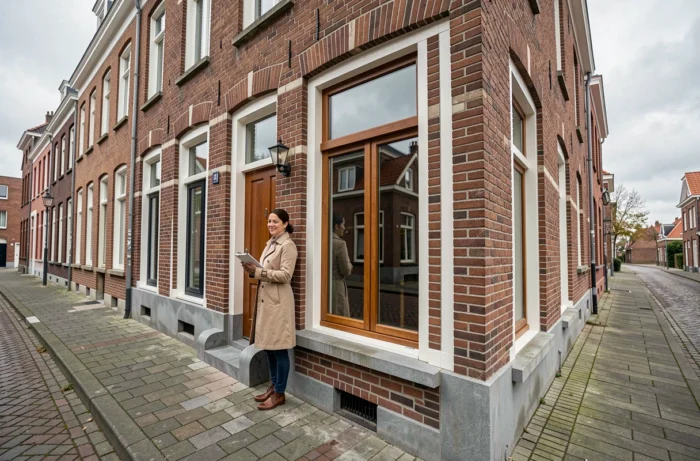
On a red brick house in Vieux-Lille, replacing wooden windows with white PVC without checking the PLUi can trigger a refusal from the town hall and require everything to be redone. This type of mishap happens more often than one might think in the Lille metropolitan area, where urban planning rules strictly govern the appearance of facades.
Choosing quality joinery for your work in Lille is not just about comparing quotes: it is primarily about understanding the local constraints that weigh on the choice of material, color, and installation.
PLUi of the Lille Metropolis: the constraint that many discover too late
The Intercommunal Local Urban Planning Plan of the European Metropolis of Lille can impose a prior declaration even for a simple change of joinery. Changing the color, material, or appearance of a facade opening is enough to trigger this obligation, particularly in neighborhoods where brick alignments, stone frames, and architectural harmonies are protected.
In practical terms, a craftsman who offers a standardized solution without having checked the rules applicable to your address takes a risk for you. The municipalities of Lille, Lomme, Hellemmes, or certain areas of Lambersart have specific prescriptions regarding the colors allowed and the materials visible from the street.
It is recommended to systematically ask the company if it has consulted the PLUi before drafting its quote. A professional who regularly works in the Lille metropolitan area knows these constraints and integrates them from the proposal stage, as is the case with menuiserie-deule.fr, where regulatory verification is part of the project process.
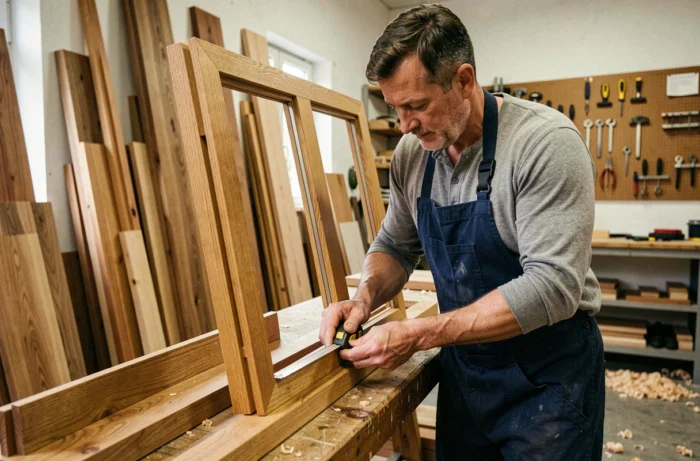
PVC, aluminum, or wood in Lille: choose based on performance, not habit
The common reflex is to choose a material because a neighbor is satisfied with it. The problem is that each home has its own constraints regarding thermal insulation, noise exposure, and window configuration.
What each material truly offers
- PVC remains the most common choice in renovations for its performance-price ratio. It offers good thermal insulation and requires little maintenance, but its appearance may be rejected in certain protected areas of the Lille PLUi.
- Aluminum allows for slim profiles that let in more light. It is suitable for large bay windows and contemporary facades, with high durability against the frequent weather conditions in Hauts-de-France.
- Wood is often required in older buildings where the PLUi mandates the preservation of the original material. It requires regular maintenance (staining or painting), but its thermal and acoustic performance is excellent.
Feedback varies on the issue of mixed wood-aluminum: some installers recommend it to combine the interior aesthetics of wood with the exterior durability of aluminum, while others believe that the additional cost is not always justified in standard renovations.
The criterion that the quote must mention
A material alone says nothing about the actual performance. To access financial aid (CEE, eco-PTZ, VAT at 5.5%), the quote must display the precise thermal performance of the installed product, including the Uw coefficient of the window and the solar factor. A quote that mentions only “double-glazed PVC window” without these values is a warning sign.
Financial aid for joinery in 2026: what truly determines eligibility
The landscape of aid has changed. Since September 2026, the replacement of monolithic windows is no longer part of the classic MaPrimeRénov’ pathway. However, joinery remains eligible for funding as part of a major renovation, under strict conditions.
What matters for eligibility is not limited to the chosen material. The criteria focus on the thermal performance of the window, the actual replacement of existing single glazing, and the use of a certified RGE company. Applications must be submitted before the start of work, not after the quote is signed.
Energy savings certificates (CEE), zero-interest eco-loans, and reduced VAT at 5.5% remain avenues to explore. Checking the complete financial setup before committing avoids unpleasant surprises. A serious joiner in the North incorporates this step into their support and knows how to guide clients to the right contacts.
Installation of joinery in Lille: concrete points of vigilance on site
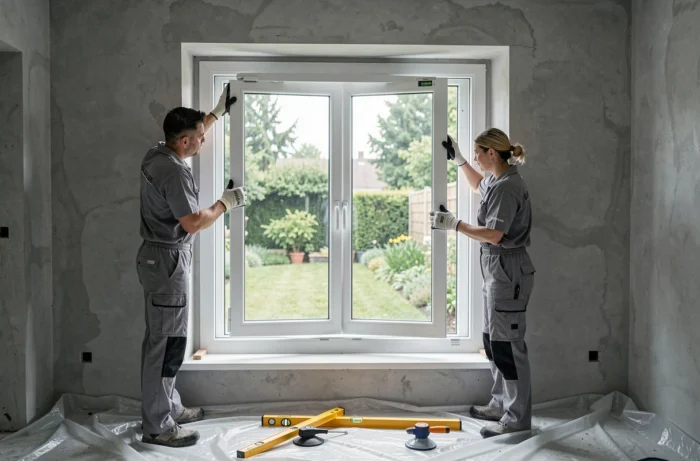
The quality of a window is determined as much by the installation as by the manufacturing. In Lille’s often old buildings, window frames are not always square. An approximate measurement leads to irregular gaps, thermal bridges, and water infiltration.
What to check before signing
- Does the company carry out the installation with its own teams or does it subcontract? Subcontracting complicates monitoring and dilutes responsibility in case of defects.
- Does the quote specify the type of installation (on reveal, in tunnel, renovation on existing frame)? Each method has implications for insulation and aesthetic appearance.
- Does the craftsman offer a technical visit before estimating? For older houses in the metropolitan area, a quote prepared without a prior visit is rarely reliable.
- Is the ten-year warranty and professional liability insurance mentioned in the quote?
A often overlooked point: the management of existing roller shutters. When replacing windows, the roller shutter box may need to be adapted or replaced. If this item does not appear in the initial quote, it becomes an unanticipated additional cost on the day of the work.
The choice of quality joinery in Lille relies less on the brand of the profile than on the rigor of the process: regulatory verification, on-site measurements, documented technical performance in the quote, and controlled internal installation. These operational details separate a successful project from a renovation that needs to be redone.