Thousands of family tables have served Flemish carbonade without truly grasping what makes it unique. Yet, this dish carries the imprint of a history and craftsmanship that few stews can claim. The gingerbread, the brown sugar: two ingredients that, far from being anecdotal, draw the line of difference with their northern cousins.
As we leaf through old cookbooks, we come across a thousand variations of Flemish carbonade, all faithful to a golden rule: beer, never wine. This detail changes everything, from the aroma to the texture, and each household is proud of its version: a bit of mustard in one, some prunes in another. The carbonade adapts, oscillates, and reinvents itself over generations, reflecting its terroir.
What the history of Flemish carbonade and beef bourguignon reveals
To mention Flemish carbonade is to journey back to the industrial lands of northern France and Flemish Belgium. Born in the homes of coal miners, it simmered slowly after work. Since 2019, Belgium has inscribed it in its intangible cultural heritage, a vibrant tribute to the local brewing tradition, where brown beer takes the noble place of wine. One can feel the popular character of a dish shaped by the working and festive spirit, in contrast to the refined elegance of red wine in Burgundy.
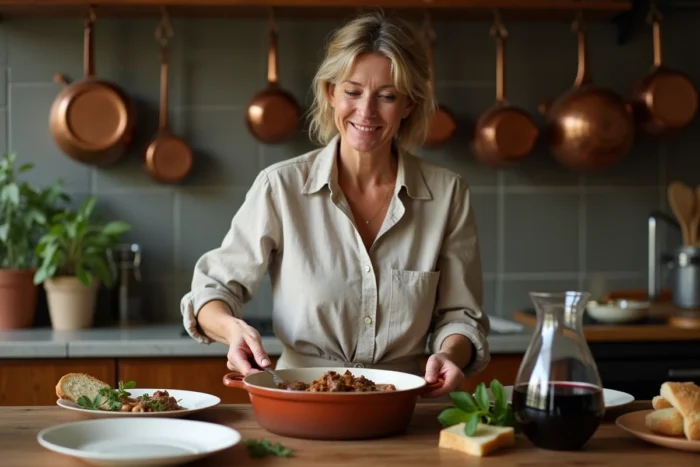
On the side of beef bourguignon, everything begins in the vineyards of Burgundy. Here, it is the red wine that infuses and tenderizes the meat, the slow cooking bringing out the richness of the Burgundian terroir. Yet, the essence of both dishes remains the same: rustic recipes, born to nourish, warm, and adapt according to what’s in the pantry, far from any rigidity.
Comparing these culinary legends is to dive into history and understand the differences between beef bourguignon and Flemish carbonade. While bourguignon often reigns supreme on French tables, it has never received an official distinction, unlike Flemish carbonade, now a national pride. The working warmth of the North, inventive and supportive, stands in contrast to the bourgeois conviviality and long Sunday tables of Burgundy. Through these two great recipes, France is drawn differently, between vaulted cellars where wine is toasted and taverns where beer warms the hearts.
The weight of passed-down gestures, the memory of a terroir, and the instinctive selection of local products explain why, over time, these dishes have lost none of their ability to bring families together around a table.
Why Flemish carbonade captivates with its unique ingredients and preparation
Flemish carbonade embodies the generosity of slow-cooked recipes from the north: it all starts with the choice of beef, whether it be chuck, flank, brisket, cheek, or shank, cuts designed to be tender after hours of simmering over low heat.
The originality is evident from the first step: brown beer serves as the backbone of the sauce, offering sometimes bitter notes, rounded at the end of cooking by the gingerbread spread with mustard. This is where the magic happens: this final touch transforms everything into a thick, honeyed sauce, characteristic of Flemish tradition. The onions are slowly caramelized, and the sweetness of the brown sugar (or vergeoise) makes all the difference.
To better grasp the identity of Flemish carbonade, here are its essential markers:
- Local brown beer: the heart of the recipe and the pillar of flavor
- Gingerbread and mustard: a unique signature that envelops the dish in spicy sweetness
- Mastered long cooking: the secret to incomparable tenderness
It’s all about balance: the bitterness of the beer balances the sweetness, the spices enhance without masking, and the bouquet garni (thyme, bay leaf, sometimes clove) ties the sauce together. Over generations, this northern classic transforms simple ingredients into a generous dish, capable of gathering without being trendy.
Regional variations and tips for making your Flemish carbonade at home
It’s difficult to pin down Flemish carbonade as each region of northern France or Flemish Belgium leaves its mark. Several schools compete over the garnish and technique:
- In Lille or Calais, some enhance their sauce with a splash of vinegar, others opt for brown sugar instead of vergeoise or infuse a hint of juniper to flavor the dish.
- The gingerbread spread with mustard always joins the pot during cooking, and the local brown beer seals the personality of each version.
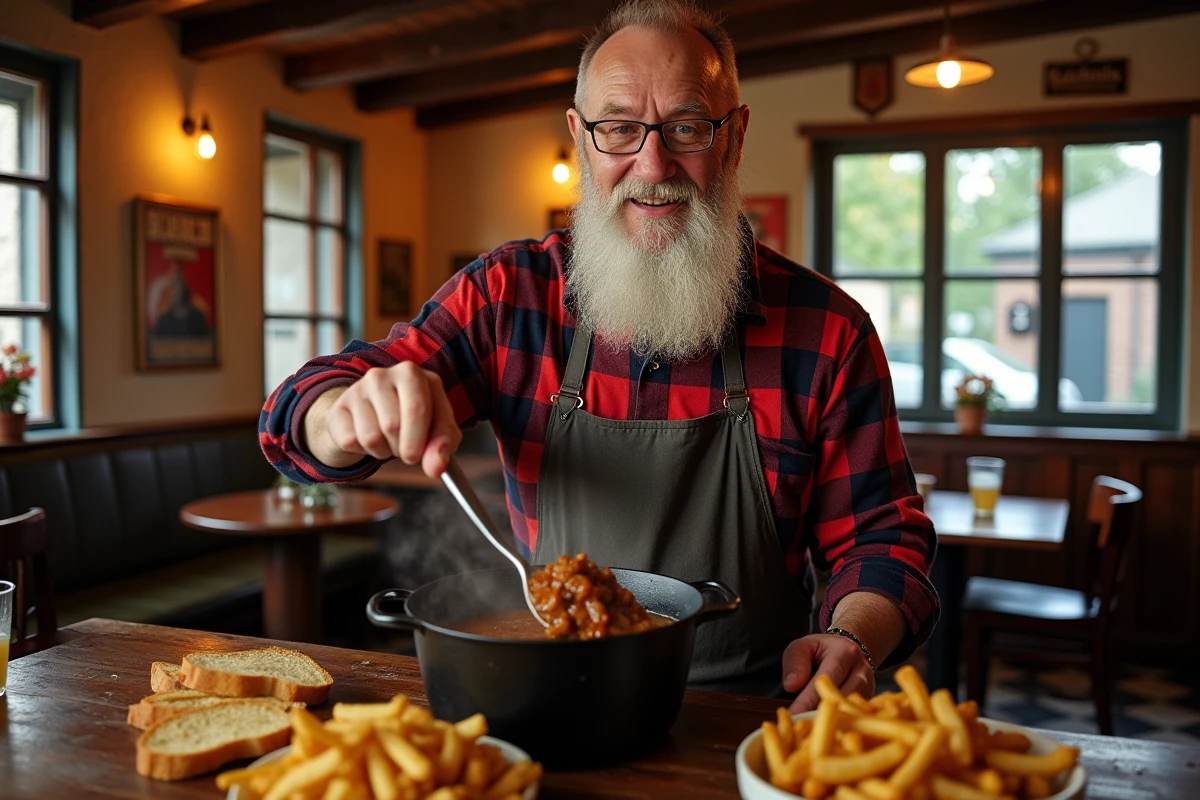
On the accompaniment side, everyone defends their camp: golden fries for the crunch purists, steamed potatoes for more softness, country bread to soak up every last drop. Sometimes, taverns dare to serve fresh pasta, a bold gamble, but appreciated by some loyal fans.
For those who want a result that lives up to expectations: cut the meat into even cubes, sear it before reserving, and take the time to caramelize the onions. Add the bouquet garni from the start; pour the beer in several stages to better control evaporation. After three hours of patience, the dish is ready to be adjusted with salt and pepper. The table can then open up to collective indulgence.
This way of doing things is passed down from cook to cook, carried by enthusiasts like Dominique Hardy, Jacques Messiant, Sylvie Aït-Ali, or Pépée Le Mat. Flemish carbonade does not just satisfy: it tells the story of fidelity to beer and conviviality, a tribute to slow time. It lives, it is shared, and it brings people together, as long as the joy of simmering does not fade, but continues to nourish the taste of a vibrant and warm North.